How Russian Buyers Pay Chinese Steel Suppliers in 2026: Ruble & Yuan Settlement via VTB, Baosteel Quality, and Ready Stock

Jay Zheng
Nov 21, 2026
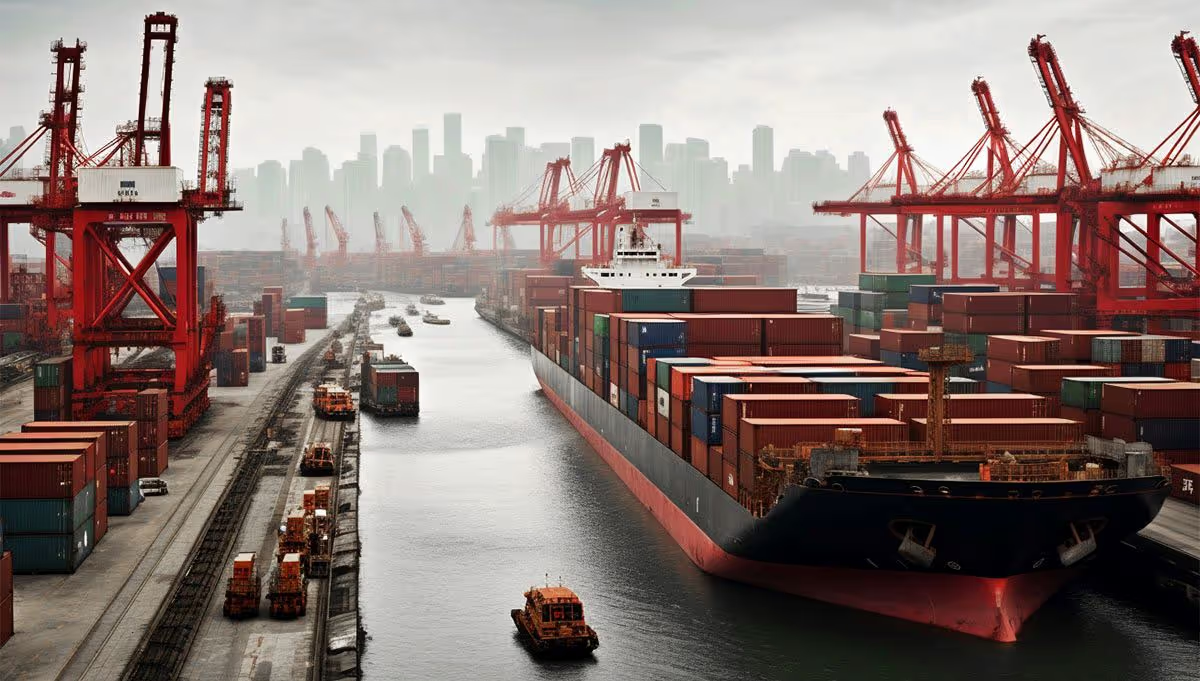
For Russian importers, buying steel from China has rarely been about finding a supplier — China produces more steel than the rest of the world combined. The real bottleneck since 2022 has been at the very end of the deal: getting the payment through. Chinese customs data shows China–Russia bilateral trade reached USD 85.2 billion in January–April 2026 alone, up nearly 20% year on year, with local-currency settlement now accounting for more than 99% of the total. Dollars and euros have effectively exited bilateral trade. That shift is permanent — and it changes how every Russian buyer should structure payment to a Chinese steel supplier.
This guide explains how settlement actually works in 2026, what documents you need on the Russian side, and how Shanghai Baohui Steel — a Baosteel annual-agreement partner with a working VTB settlement channel and a large Russian customer base — removes most of the friction.
1. Why paying a Chinese supplier from Russia is hard in 2026
Most Chinese banks process ruble cross-border payments through third-party correspondent banks. In practice that means three recurring problems: delayed crediting (payments can sit in transit for days), SWIFT message interception or rejection, and repeated secondary due-diligence questionnaires that freeze funds mid-route. None of this is illegal, and none of it means the trade cannot be done — it means the route matters more than it used to.
The solution the market has converged on is simple in concept: keep the money inside the ruble and yuan clearing systems, so payment travels a shorter path with fewer intermediaries.
2. How ruble and yuan settlement works: SPFS + CIPS, and VTB Shanghai
Russia's SPFS (System for Transfer of Financial Messages) and China's CIPS (Cross-border Interbank Payment System) now form a direct clearing corridor between the two banking systems. The only Russian bank with a full banking licence operating inside China is VTB's Shanghai branch, located in Lujiazui, Pudong — the same district as our office. In 2026 VTB also connected to Russia's SBP fast payment system, so ruble transfers from virtually any Russian bank can reach a VTB account the same day.
In practical terms for a steel purchase:
- The Russian buyer pays rubles from their Russian bank account through SPFS to the supplier's VTB Shanghai account. Routine payments typically credit the next business day (T+1).
- Alternatively, the buyer pays yuan; the funds arrive via CIPS and can be converted inside the account at the Moscow Exchange rate, avoiding dollar transit entirely.
- RMB received in the account can be remitted onward to the supplier's domestic basic account in China, matching normal export declaration and tax-refund procedures.
Two boundaries buyers should know: VTB does not process USD payments involving parties on the OFAC sanctions list, and sensitive-industry exports face stricter review. Reputable suppliers screen this before contracting — we do — because a payment stopped mid-route helps nobody.
3. What a Russian buyer should prepare before the first order
Every compliant settlement needs a complete trade background. Prepare these once, in advance, and every subsequent order moves faster:
- A signed supply contract with the Chinese supplier (specification, quantity, price, Incoterms, payment terms)
- Commercial invoice and, where applicable, proforma invoice
- The Chinese export customs declaration after shipment
- Logistics documents — booking confirmation, bill of lading, rail waybill (for rail shipments into Russia) or CMR for road freight
- Bank-side compliance: confirm neither the paying party nor its bank is on a sanctions list, and that the goods are not dual-use controlled
TT (telegraphic transfer against documents) remains the standard for Russian–Chinese steel trade. If you require other terms, discuss them early — structure decided after contract signing almost always costs time.
4. Why Russian buyers work with Baohui Steel
Payment is only half the equation. A Russian importer also needs a supplier whose quality and stock position are verifiable. This is where our setup is unusual:
- VTB settlement channel in place. We maintain a working settlement route through VTB Shanghai and handle ruble and yuan payments from Russian buyers regularly. Payment lands, we ship — no experimenting on your first order.
- A large and growing Russian customer base. A significant share of our export volume now goes to Russian importers, which means our documentation, packaging, and rail/sea routing into Russia are already practiced, not theoretical.
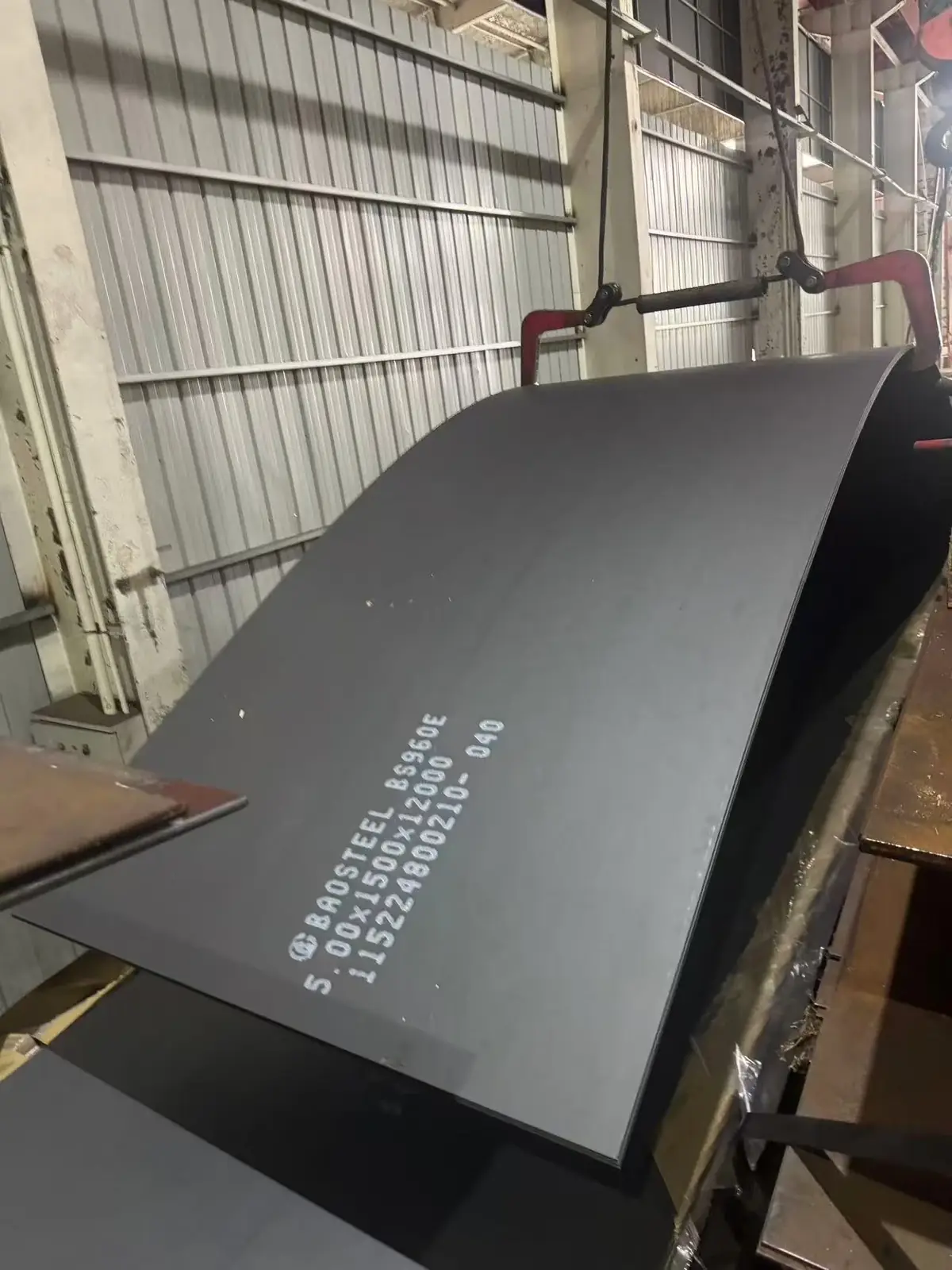
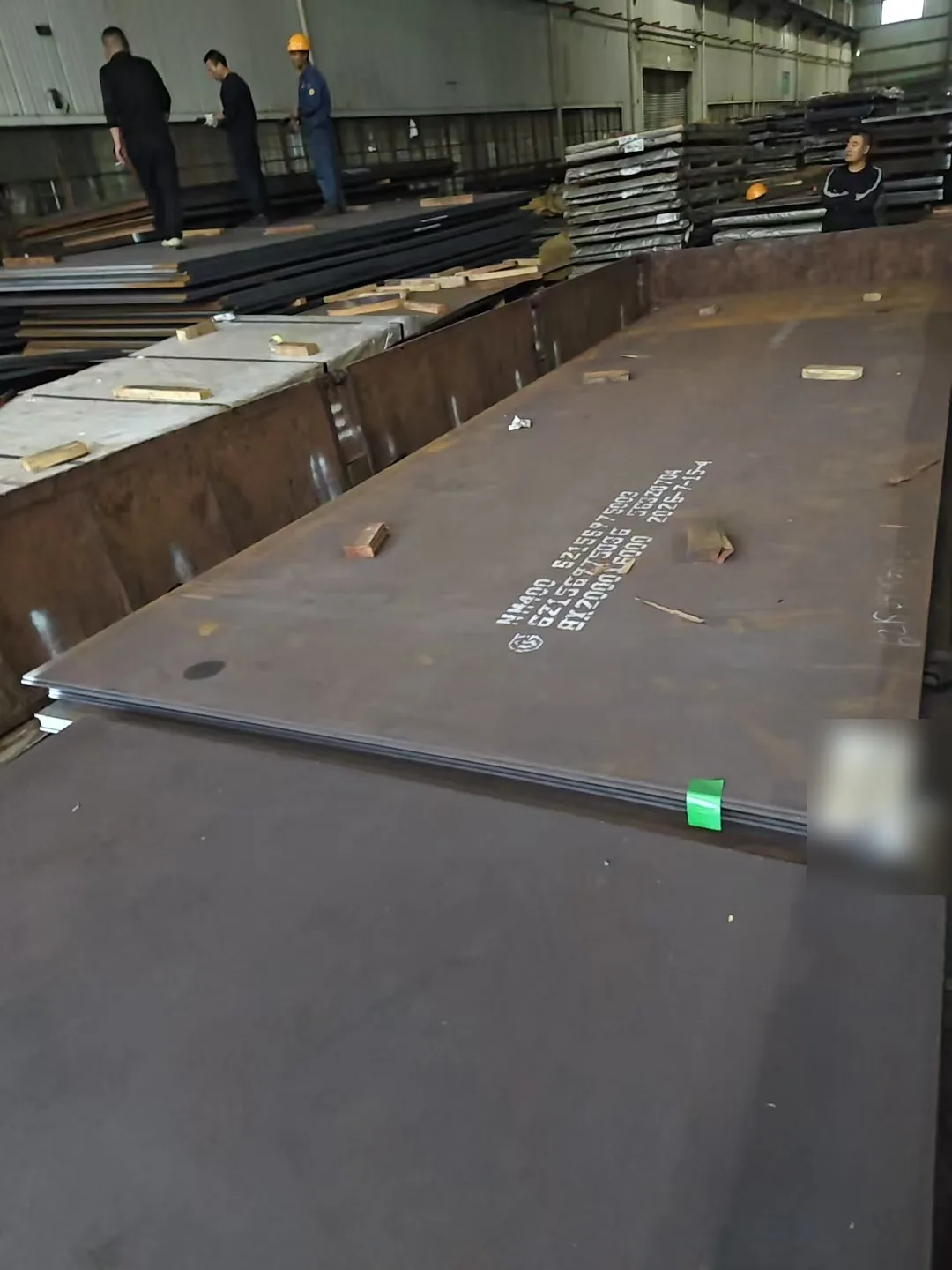
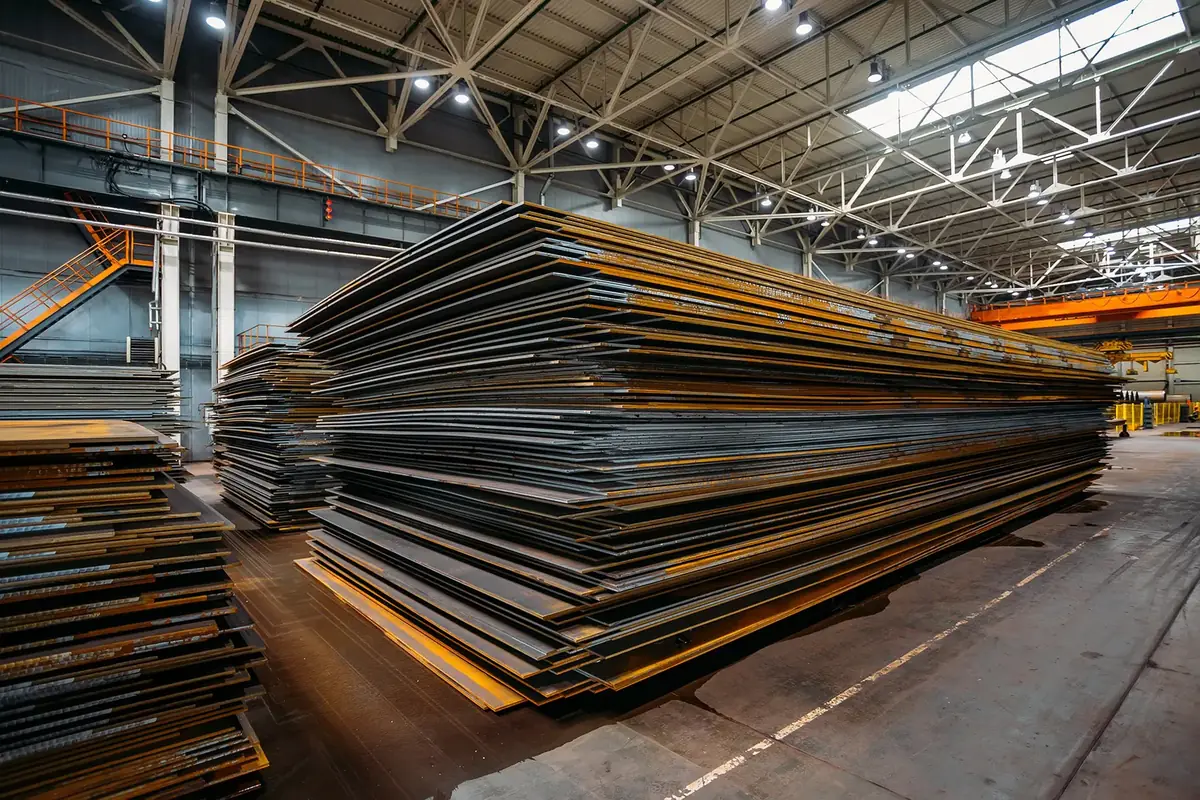
- Baosteel quality, backed by an annual agreement. Baohui Steel is a Baosteel annual-agreement partner and one of the largest spot-stock holders of Baosteel heat-treated plate — wear-resistant grades NM400, NM450, NM500, NM600 and high-strength grades BS700MCK2, BS960E and more, with over 20,000 tons of regular stock and original mill test certificates for every batch.
- Fast dispatch. Spot material ships within 7 days of payment confirmation — important when your project schedule, not the payment channel, is the real deadline.
5. Frequently asked questions
Can I pay for Chinese steel in rubles?
Yes. Ruble settlement through SPFS to a Chinese supplier's VTB Shanghai account is now a routine route for Russia–China trade, with routine payments crediting in about one business day. The supplier must hold the receiving account and be willing to contract in rubles or yuan — confirm this before signing.
Is yuan payment better than ruble payment?
Both work. Rubles are simplest for the Russian buyer; yuan (via CIPS) is often preferred by the Chinese side for onward domestic use and export tax procedures. We accept either and can quote in both.
What steel grades do Russian buyers most often import from you?
Wear-resistant plate NM400, NM450, NM500 and NM600 for mining equipment, dump truck bodies and buckets; high-strength plate BS700MCK2 and BS960E for cranes and structures. All are Baosteel material with original mill test certificates, and 1.5–120 mm thicknesses are available from stock or mill order.
How fast can you ship to Russia?
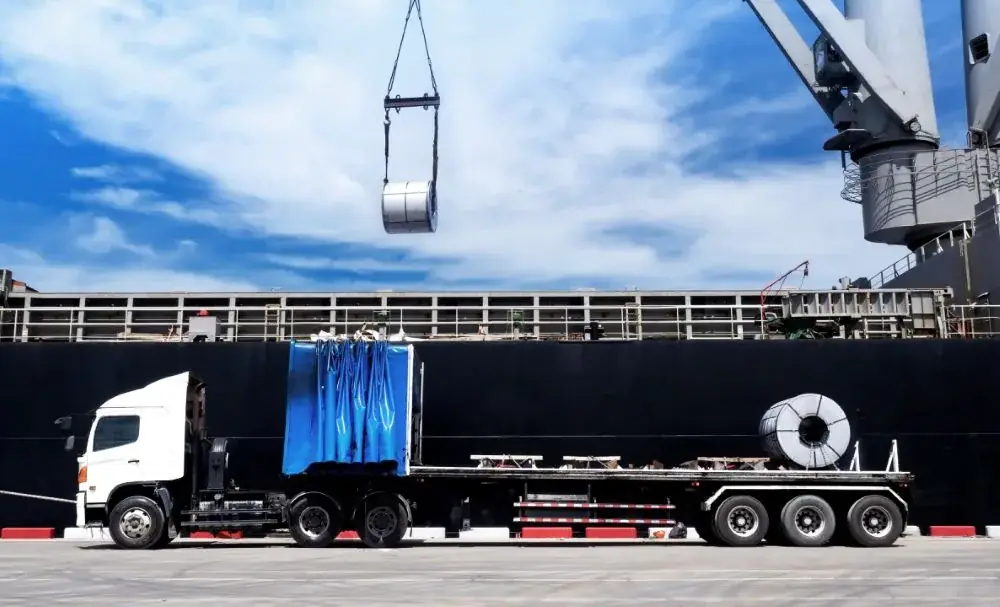
Spot stock ships within 7 days after payment confirmation, by sea (St. Petersburg, Novorossiysk, Vladivostok) or by rail through Manzhouli/Suifenhe, depending on your destination and urgency.
Work with us
If you are sourcing wear-resistant or high-strength steel plate from China and want a supplier who already speaks the language of Russian settlement — contact Baohui Steel with your grade, thickness and quantity. We will confirm stock, price, and the exact payment route in one reply.