1.5 mm Hardened Wear Plate Is Real: Inside Baosteel's World-First Compact Heat-Treatment Line

Jay Zheng
Nov 17, 2026
Why Thin Hardened Plate Was a Missing Category
Ask any wear-plate buyer for 2 mm quenched-and-tempered NM400 and you will usually hear: "impossible" — or a quote for grinding a thick plate down, at a painful price, with degraded flatness. The reason is physics: when a 2 mm sheet is quenched, the martensitic transformation stresses make it bow and twist, and conventional roller-quench lines simply cannot hold flatness below roughly 3 mm. So for decades, "wear plate" started at 3-4 mm, and everything thinner was a compromise.
The World-First Compact Heat-Treatment Line
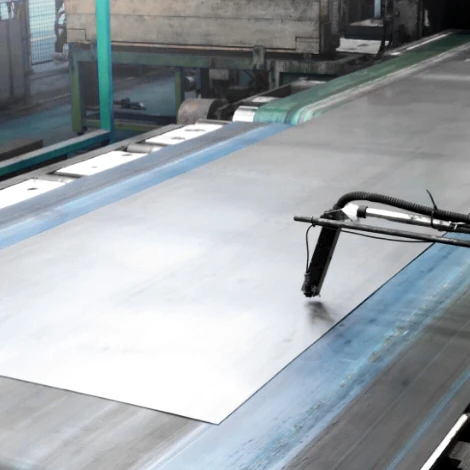
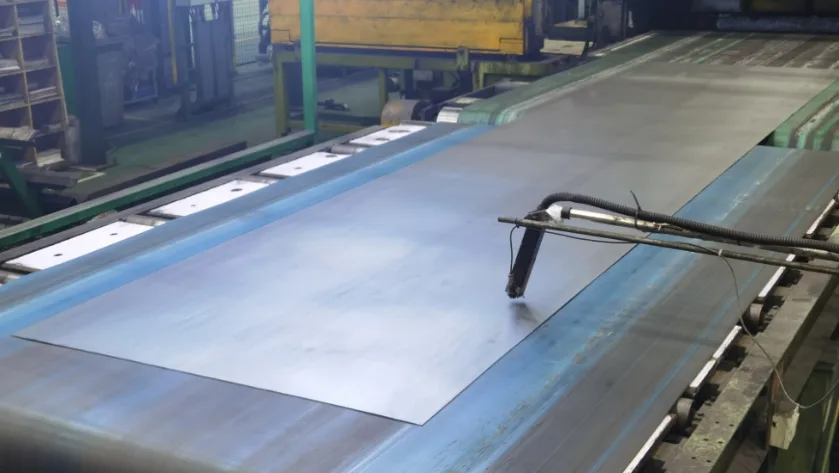
Baosteel built a dedicated compact heat-treatment line for thin hot-rolled strip and plate — (2.0-6.0) mm × (900-1700) mm — engineered around the flatness and residual-stress control that thin gauges demand. For quenching and tempering below 3 mm, Baosteel states it is currently the only industrialized producer worldwide, and the line is extendable to 1.50-1.99 mm by agreement.
What has already come off the line:
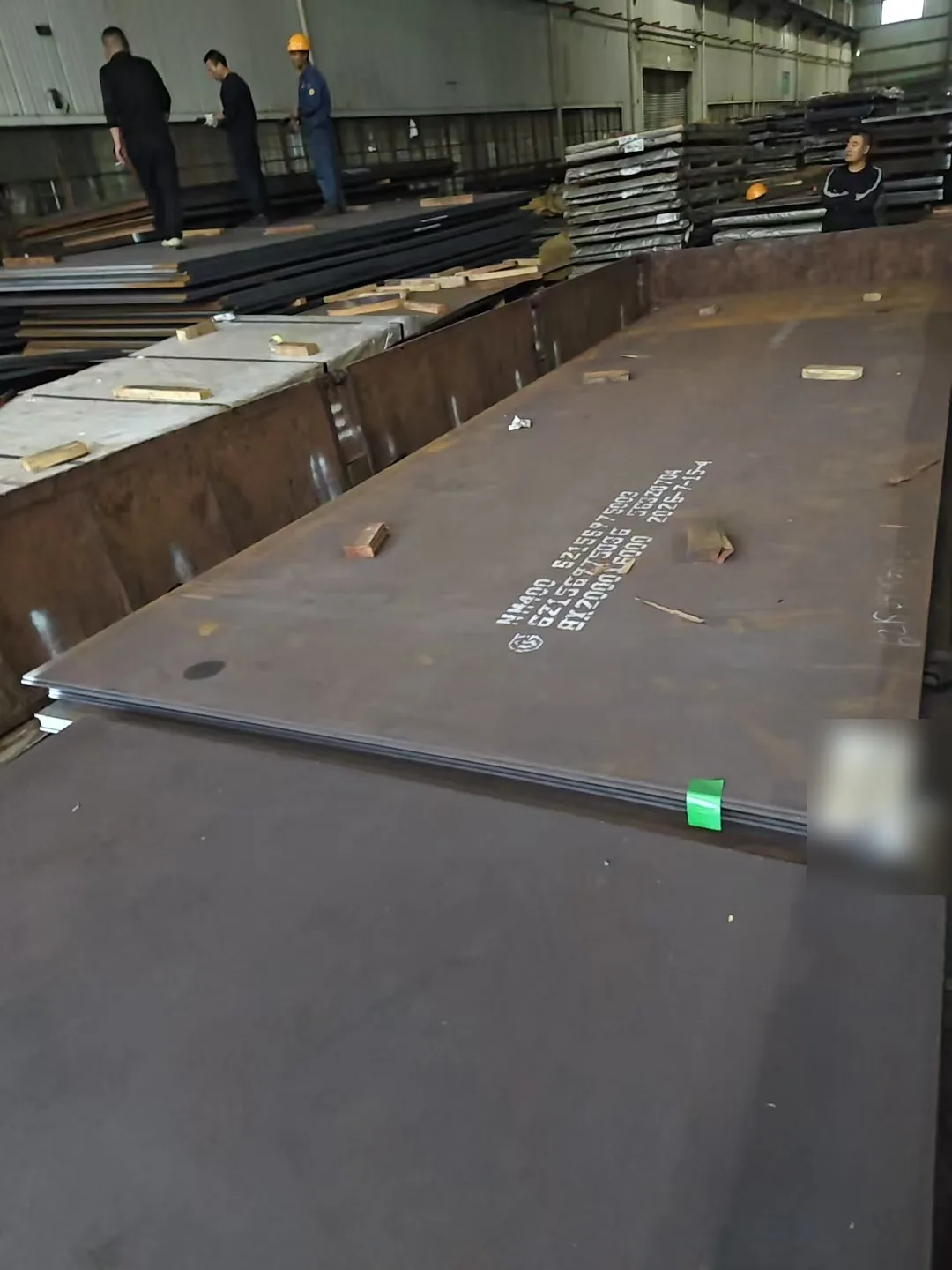
- 2.0 mm NM400 — wear plate in a gauge that did not exist as a mill product;
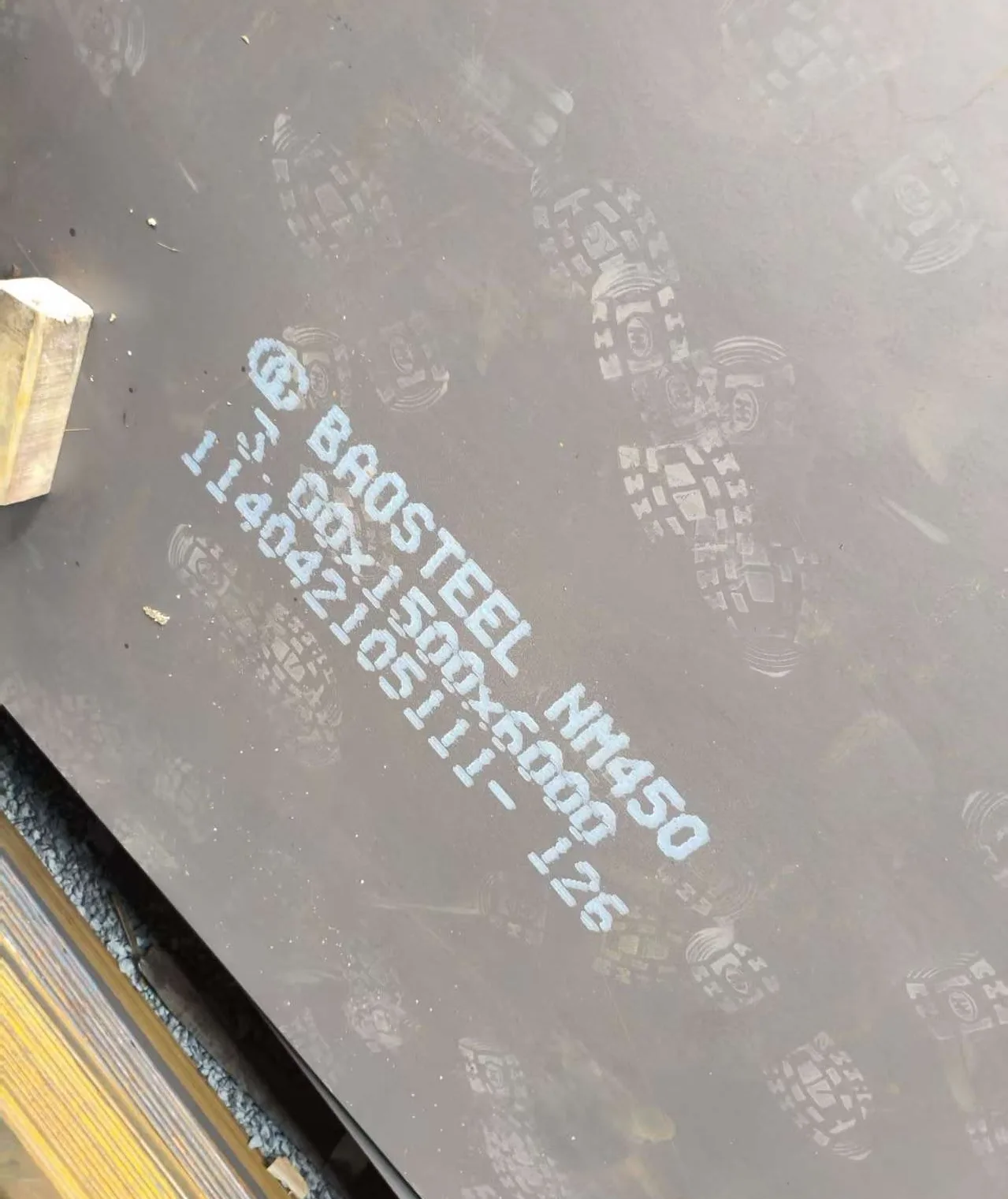
- 1.5 mm NM450 — delivered with ≥1000 MPa yield, ≥1200 MPa tensile, ≥9% elongation and a D=6a bend;
- 2.0 mm BS960 — 960 MPa-class ultra-high strength in the same thin format.
Besides opening new designs, the line changes the economics of thin gauges: producing thin plate directly costs far less than machining thick plate down, and the process releases internal stress more uniformly, giving better flatness as-delivered.
Delivery Format and Lead Time
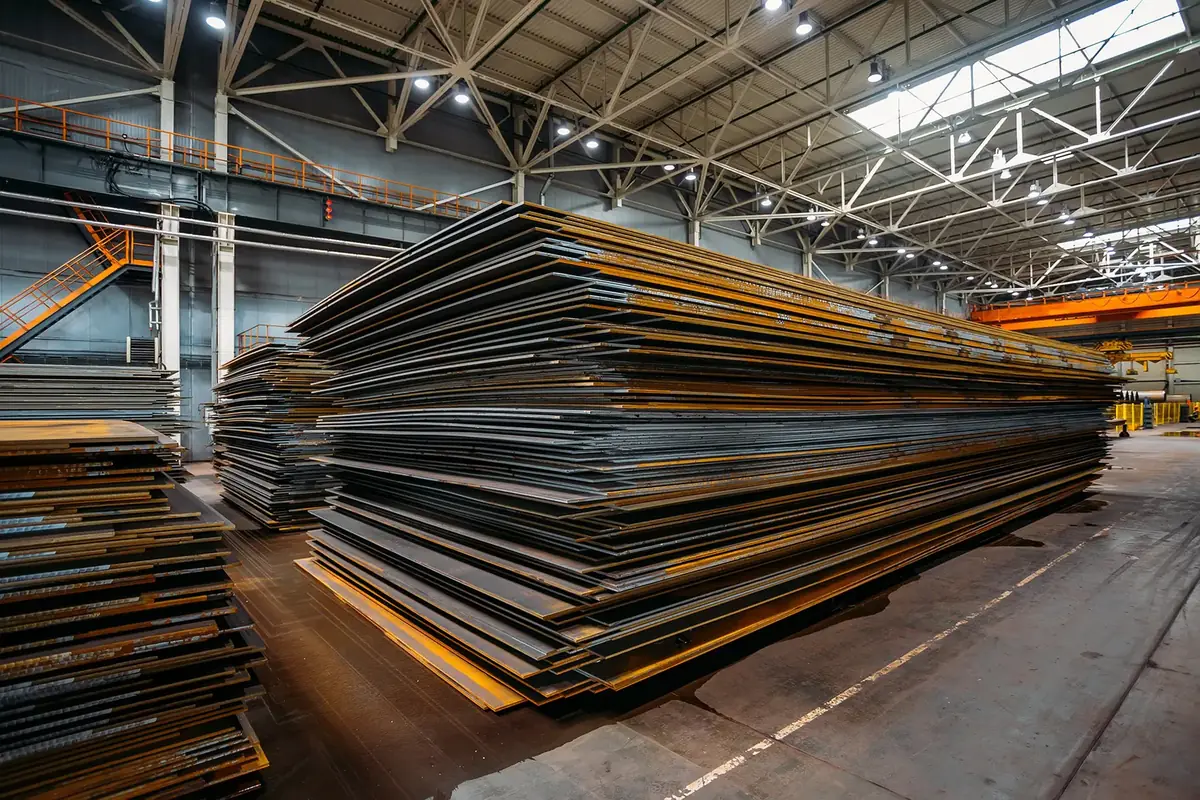
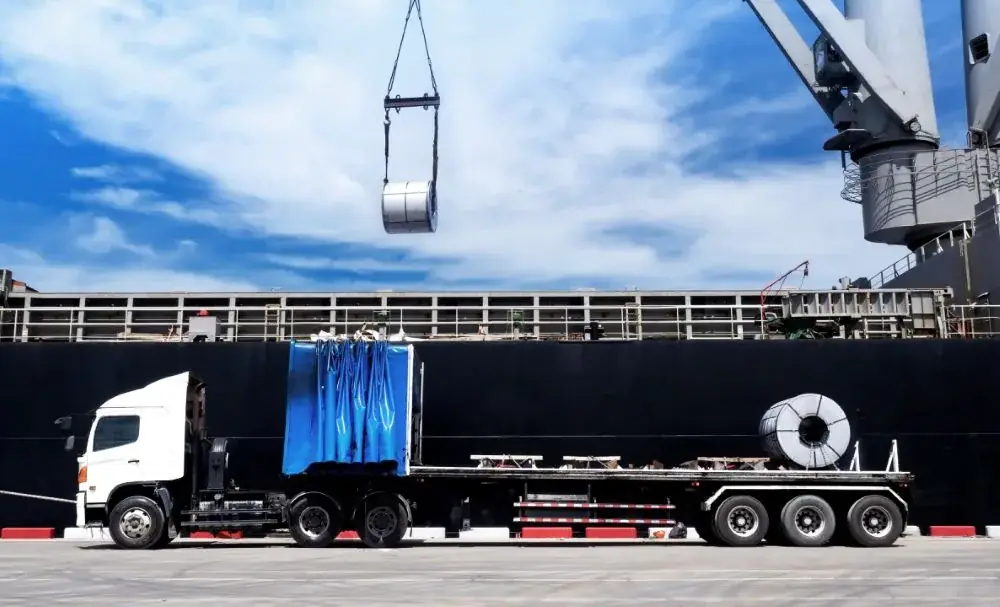
Ultra-thin plate is supplied as coil or cut-length sheet, shot-blasted with a rust-inhibitor coating suitable for sea freight. Lead time is 2-5 days from mill confirmation — unusually fast for a Q+T product, because the line runs on a compact, high-throughput cycle.
Who Supplies It
Shanghai Baohui Steel Limited is Baosteel's annual-agreement partner and the largest spot distributor of Baosteel heat-treated products. We quote ultra-thin NM400/NM450 and BS960 with original Baosteel mill test certificates — send us the gauge, width and quantity and we will confirm the nearest rolling window.